
Spring Into Action With Local Contractors for Septic Inspections
Prepare your property for spring with trusted local contractors who can perform thorough septic inspections to ensure system health and seasonal readiness.
Spring is a popular season for septic inspections because it often coincides with property owners preparing their homes for the warmer months ahead. After winter, which can bring harsh weather and potential shifts in soil or drainage systems, spring provides an ideal opportunity to assess the condition of a septic system. Conducting an inspection during this time helps identify any issues that might affect outdoor activities, gardening, or upcoming seasonal use. Additionally, spring is a common time for homeowners to undertake various maintenance projects, making it a practical season to ensure the septic system is functioning properly before the busier summer months.
Typically, septic inspection services include a thorough evaluation of the system’s components, such as the tank, distribution box, and drain field. Service providers often check for signs of leaks, blockages, or buildup that could impair performance. They may also assess the overall condition of the system to determine if any repairs or maintenance are needed to prevent future problems. Some inspections might involve testing the system’s functionality, inspecting for odors or surface pooling, and providing recommendations for ongoing care or necessary upgrades. This comprehensive approach helps property owners maintain a healthy septic system and avoid costly repairs down the line.
When comparing local service providers for septic inspections, property owners can consider several factors to find the best fit for their needs. It’s helpful to review the experience and reputation of nearby contractors, as well as the scope of services they offer. Many local pros provide detailed descriptions of their inspection procedures, which can help in understanding what’s included. Additionally, seeking recommendations or reading reviews from other property owners can provide insight into the quality of service. By evaluating the expertise, professionalism, and range of options available in the area, property owners can make informed decisions to select a service provider that aligns with their specific requirements.
Compare local contractors to identify trusted service providers who can efficiently handle your septic inspection needs this spring.
- Septic System Inspection - Local contractors can assess the condition of septic systems to ensure proper function.
- System Health Evaluation - Professionals can identify potential issues before they develop into costly repairs.
- Preventative Maintenance - Regular inspections help maintain system efficiency and longevity.
- Expert Recommendations - Service providers can advise on necessary repairs or upgrades based on inspection results.

Before comparing options, clearly describe your septic inspection project to help local contractors recommend the best solutions.
- Septic system inspection - ensure that a professional evaluates the condition of the tank, pipes, and drain field for any signs of damage or deterioration.
- Check for signs of system failure - look for slow drains, foul odors, or sewage backups that may indicate issues needing immediate attention.
- Examine the tank’s access points - verify that lids and covers are secure, intact, and free of cracks or corrosion.
- Assess the drain field - look for pooling water, lush vegetation, or unusual lushness that could suggest a leak or malfunction.
- Review maintenance history - discuss with local contractors about previous inspections, pumping, or repairs to identify potential concerns.
- Schedule a professional inspection - contact experienced service providers to perform a thorough evaluation and ensure system reliability.
Use this as a springboard to explore ideas and refine your septic inspection scope with trusted local contractors.
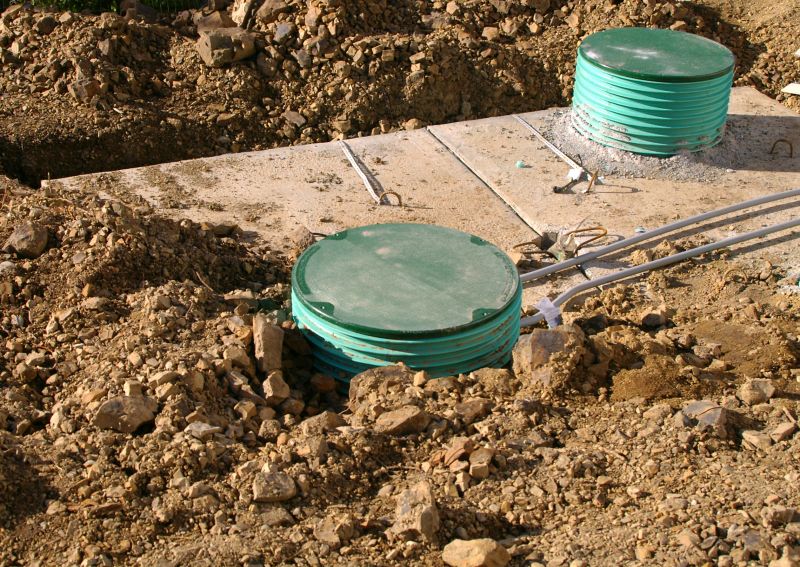

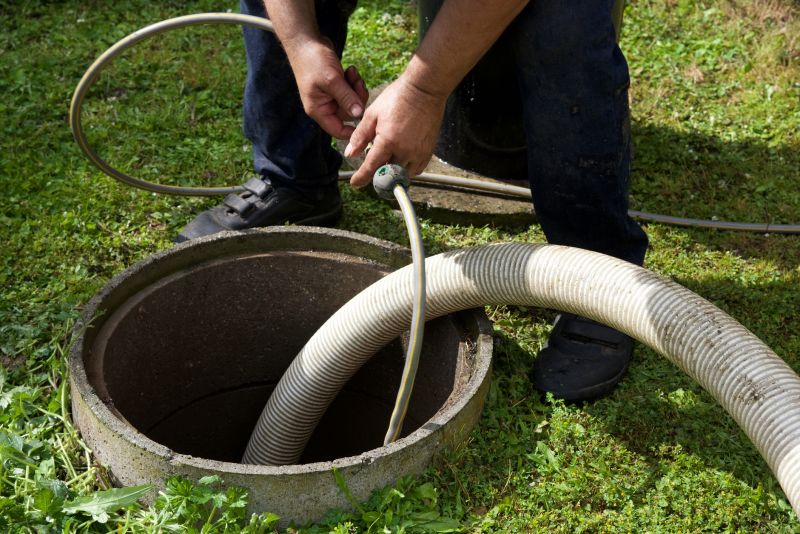
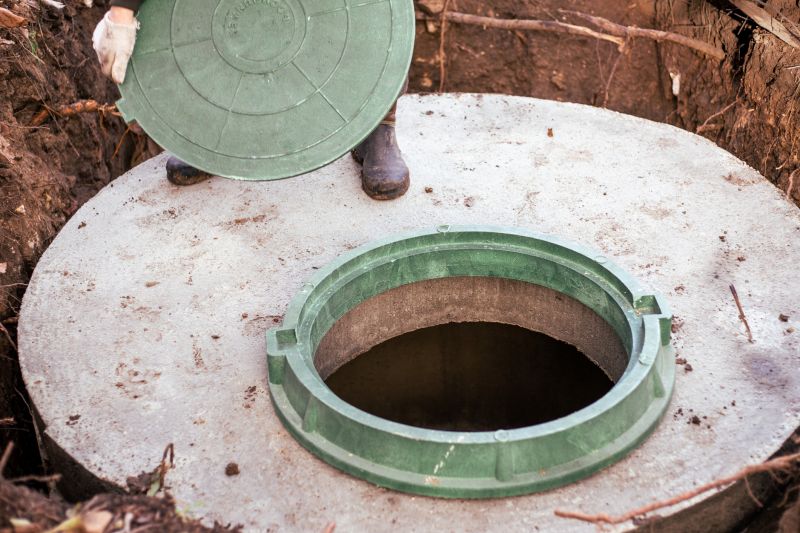
Spring is a great time to plan septic inspections by prioritizing needs and comparing local contractors.
- Septic System Inspection - Spring is an ideal time to have local contractors evaluate the condition of a septic system after winter months. Routine inspections can identify potential issues early and ensure proper functioning as the season changes.
- Drain Field Assessment - Service providers can examine drain fields for signs of saturation or failure, helping to prevent costly repairs and maintain system efficiency during the active spring season.
- Tank Cleaning and Pumping - Spring projects often include septic tank cleaning to remove sludge buildup, ensuring the system operates smoothly throughout the warmer months.
- Leak Detection and Repairs - Local contractors can identify and address leaks or damage in septic components, which may have worsened over winter, restoring system integrity for spring use.
- System Upgrades and Maintenance Planning - Spring is a good time to consult with service providers on potential upgrades or maintenance plans to improve septic system performance during the busy outdoor season.
Use this scope builder to help compare septic inspection services consistently across local contractors during your spring planning.
- Inspection Scope - Define the specific areas and components of the septic system to be evaluated during the inspection.
- System Components - Identify key parts such as tanks, leach fields, pipes, and access points to be checked for proper function.
- Inspection Procedures - Outline the methods and tools that local contractors will use to assess system condition and identify potential issues.
- Reporting Requirements - Specify what findings and observations should be documented and communicated after the inspection.
- Compliance Standards - Clarify relevant codes, regulations, or guidelines that the inspection must adhere to for thoroughness and accuracy.
When comparing local contractors for a septic inspection during the spring season, it is important to consider their experience with similar projects. Homeowners should look for service providers who have a track record of inspecting septic systems in residential settings, particularly those that involve seasonal considerations such as thawing ground or increased moisture levels. An experienced contractor will understand the unique challenges that spring conditions can present and be better equipped to identify potential issues early, helping to ensure the system functions properly as the season progresses.
Clarity in the scope of work is another key factor when evaluating options. A detailed description of what the septic inspection includes-such as checking the tank, examining the drain field, and assessing system components-can help homeowners understand exactly what to expect. Service providers who offer clear, written outlines of their inspection process enable homeowners to compare offerings more effectively and avoid surprises. This transparency supports making an informed decision based on the specific needs of the property and the scope of the project.
Work planning considerations are also vital during springtime inspections. Homeowners should inquire about how local contractors approach scheduling, site preparation, and the sequencing of inspection steps. A contractor who considers seasonal weather patterns and ground conditions can better plan the inspection to minimize disruptions and ensure thoroughness. Understanding how a service provider plans their work helps to gauge their professionalism and attention to detail, which can impact the overall quality of the inspection.
Evaluating options without focusing on prices involves examining the experience, clarity of scope, and work planning strategies of local service providers. Homeowners can compare how well each contractor communicates their process, their familiarity with seasonal factors, and their approach to scheduling. By focusing on these qualities, it becomes easier to identify professionals who are capable of delivering a comprehensive and reliable septic inspection during the spring season. This approach ensures that the decision is based on expertise and service quality rather than cost alone.
Request written scope details from local contractors to ensure clarity and consistency for your spring septic inspection.
- Septic Inspection Scope - What specific aspects do local contractors include in a standard septic inspection?
- Comparison of Providers - How do different service providers' inspection procedures and thoroughness vary?
- Inspection Coverage - What areas and components are typically evaluated during a septic system inspection?
- Service Provider Experience - How do local contractors' experience levels influence the scope of a septic inspection?
- Seasonal Planning - How can spring inspections help prepare septic systems for seasonal changes and maintenance needs?
What is a septic inspection? A septic inspection involves evaluating the condition of a septic system to ensure it functions properly and meets necessary standards.
Why should I consider a septic inspection in spring? Spring is a good time to check your septic system after winter, helping to identify potential issues early and prepare for seasonal use.
What are common signs that a septic system needs inspection? Signs include slow drains, unpleasant odors, or standing water near the septic tank or drain field, indicating it may be time for a professional assessment.
How do local contractors perform septic inspections? They typically assess the tank's condition, check for leaks, measure sludge levels, and evaluate the drain field’s functionality to determine system health.
What should I do to prepare for a septic inspection? Ensure access to the septic tank area is clear, and gather any previous maintenance records to help the service provider evaluate the system effectively.
How can I find local service providers for septic inspections? This website can help connect with trusted local contractors who specialize in septic system evaluations and maintenance services.
Understanding the importance of a thorough septic inspection can help ensure your system functions properly and avoids unexpected issues. This process typically involves evaluating the condition of the tank, drain field, and related components to identify potential concerns early. By exploring your options, you can find experienced local contractors who specialize in septic inspections and can assist with your seasonal planning.
Using the quote form to compare local service providers allows for an efficient way to connect with professionals who can handle septic inspections tailored to your needs. Taking the time to review your options can help you find trusted local experts ready to support your spring maintenance or planning efforts.
Providing clear details about your septic inspection needs helps local contractors understand your project and connect you with the right service providers.
- Inspection Details - Share information about the scope and process of a typical septic system inspection.
- Service Experience - Describe the types of issues or concerns that a septic inspection can identify.
- Preparation Tips - Provide practical advice on how to prepare your property for a septic inspection.
- Benefits - Explain how a septic inspection can help maintain system functionality and prevent future problems.