
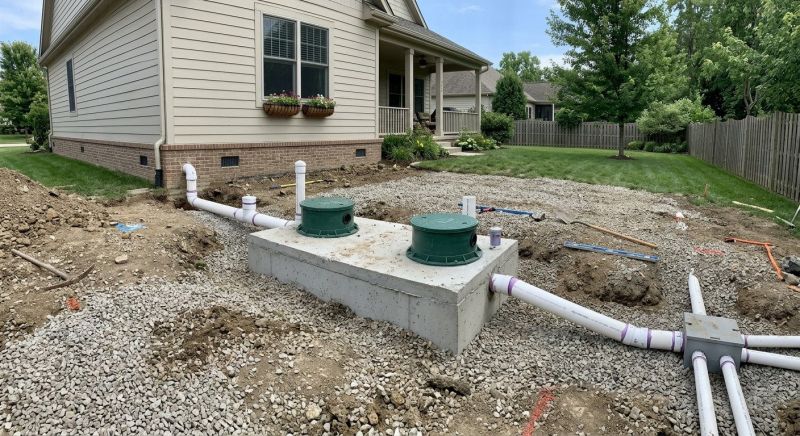
Septic System Relocation in Denver, CO
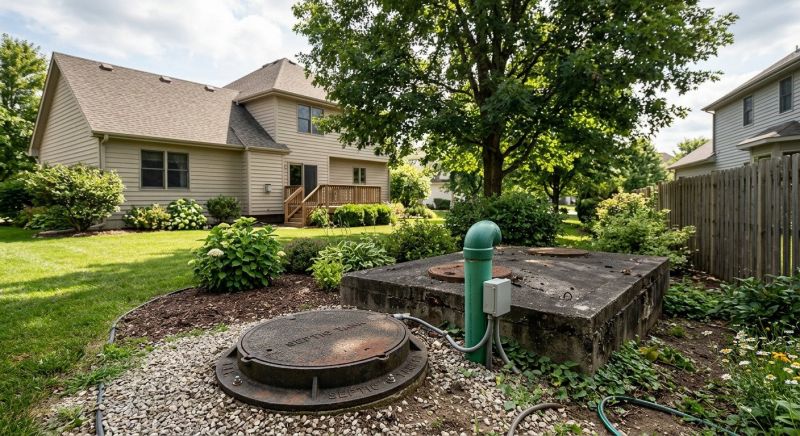
Septic system relocation services involve moving an existing septic system to a new location on a property. This process is typically requested when homeowners are planning major renovations, expanding their property, or installing new structures that interfere with the current septic placement. Projects can vary from shifting the tank and drain field to accommodate changes in landscaping or construction, to repositioning the system to meet updated health and safety standards. Property owners should consider factors such as soil conditions, access to the new site, and local regulations before requesting a septic system relocation, ensuring the project aligns with their property's layout and future plans.
Before requesting septic system relocation services, property owners often want to understand the scope of work involved, including site assessment, permitting requirements, and potential impacts on existing property features. It’s important to evaluate the distance of the move, the condition of the current system, and the feasibility of establishing a new drain field. Clarifying these details helps ensure that the relocation process proceeds smoothly and that the new system will function effectively, meeting the property's needs and complying with local health and environmental standards.
Many property owners in Denver, CO look into Septic System Relocation for repairs, replacements, upgrades, and appearance-related improvements.
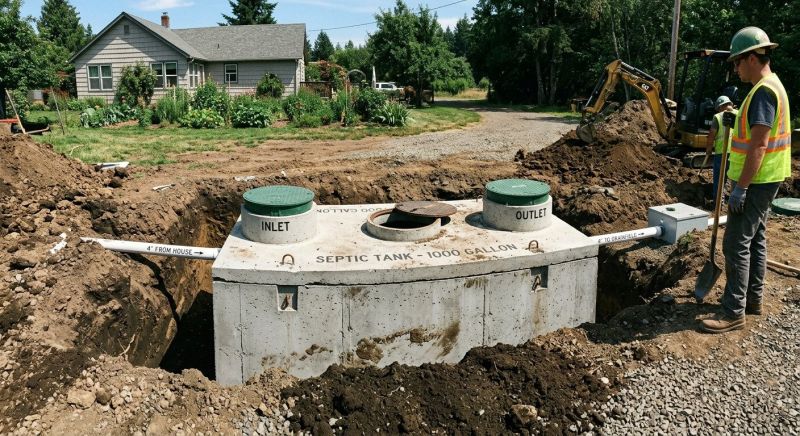
Septic System Relocation Planning
Proper planning ensures the new location meets property and code requirements.
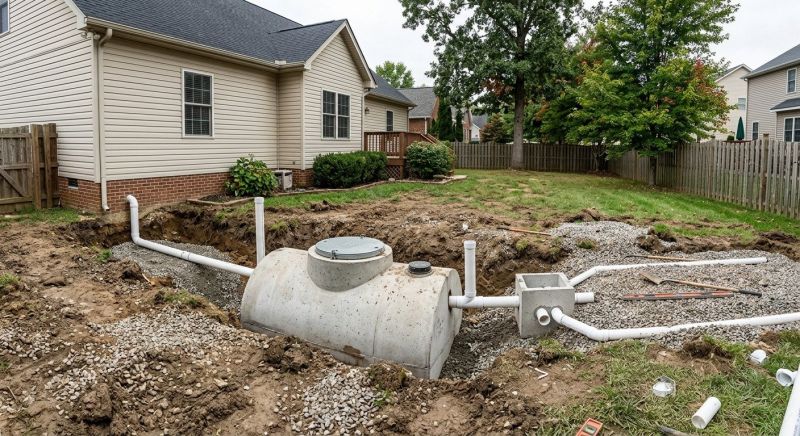
Septic System Installation Considerations
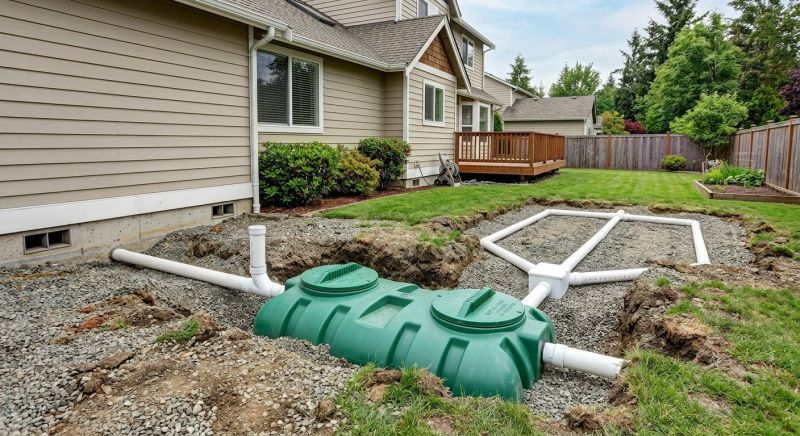
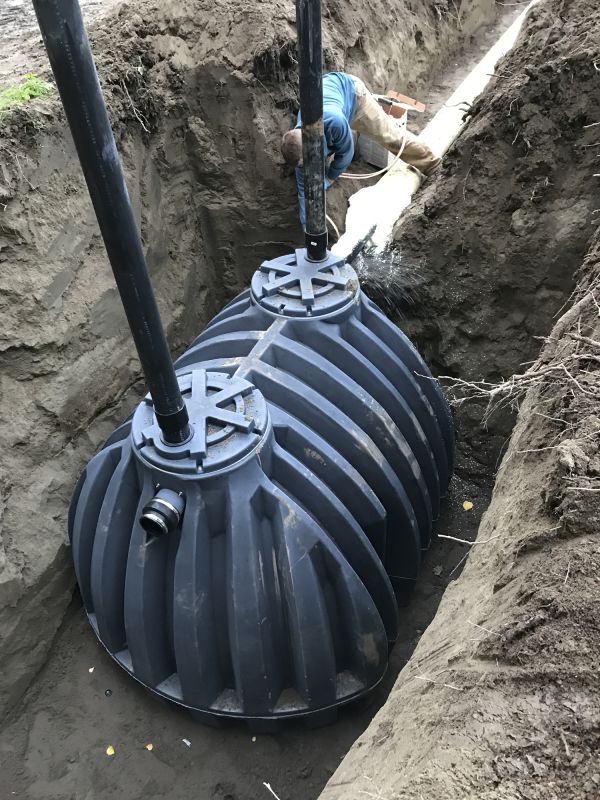
Relocating a septic system involves site assessment, permits, and careful excavation.
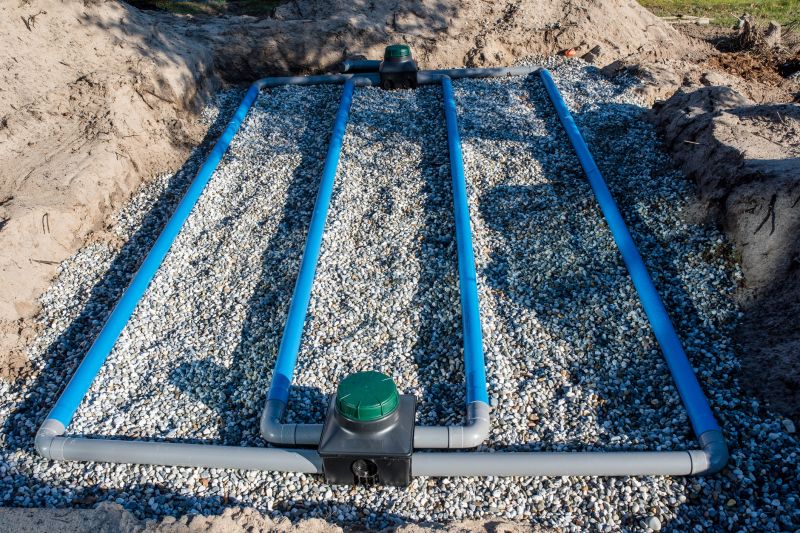
Post-Relocation System Maintenance
Regular inspections and maintenance are essential for the longevity of a relocated septic system.
Septic System Relocation in Denver, CO

Septic system relocation services involve moving an existing septic system to a new location on a property. This process is typically requested when homeowners are planning major renovations, expanding their property, or installing new structures that interfere with the current septic placement. Projects can vary from shifting the tank and drain field to accommodate changes in landscaping or construction, to repositioning the system to meet updated health and safety standards. Property owners should consider factors such as soil conditions, access to the new site, and local regulations before requesting a septic system relocation, ensuring the project aligns with their property's layout and future plans.
Before requesting septic system relocation services, property owners often want to understand the scope of work involved, including site assessment, permitting requirements, and potential impacts on existing property features. It’s important to evaluate the distance of the move, the condition of the current system, and the feasibility of establishing a new drain field. Clarifying these details helps ensure that the relocation process proceeds smoothly and that the new system will function effectively, meeting the property's needs and complying with local health and environmental standards.
Many property owners in Denver, CO look into Septic System Relocation for repairs, replacements, upgrades, and appearance-related improvements.
Common Septic System Relocation Jobs
Septic System Relocation - Services include moving existing septic tanks to new locations on a property.
Site Evaluation - Assessments are performed to determine suitable new sites for the septic system.
Permitting Assistance - Guidance is provided on necessary permits and compliance with local regulations.
Drain Field Transfer - The drain field is carefully relocated to ensure proper wastewater treatment.
System Installation - New septic components are installed to meet property and usage needs.
Property Preparation - Land is prepared and graded for the installation of the relocated septic system.
Septic System Relocation Questions
Why might a septic system need to be relocated? A septic system may need to be moved due to property development, landscaping changes, or to comply with updated setback requirements.
What factors are considered when relocating a septic system? The property's layout, soil conditions, and local regulations influence the placement and design of the new system.
Is septic system relocation suitable for all property types? It is typically suitable for properties where existing septic locations conflict with new construction or land use plans.
What should property owners know before starting a septic relocation? Proper planning involves assessing site conditions and understanding local codes to ensure a successful move.
Request Septic System Relocation in Denver, CO
Use the quote form on this page to share the basics of your project and request more information for the type of work you need.